
Impressed Current Cathodic Protection (ICCP) Systems

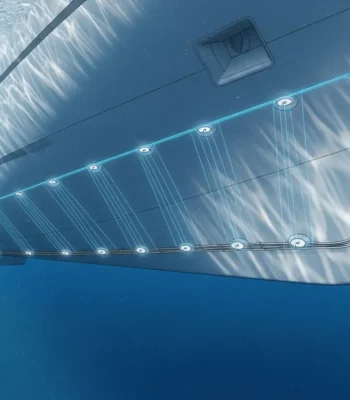
ICCP SYSTEM
What is ICCP? The Ultimate Marine Corrosion Protection
The gold standard long-term solution for corrosion protection, ICCP is recognized as a superior alternative to sacrificial anode systems. It reduces fuel costs and maintenance while providing 24-hour protection for over 25 years.
Our systems supply a controlled DC current to submerged surfaces using mixed metal oxide anodes and zinc reference electrodes. The current is continuously monitored and regulated to prevent the electrochemical action of galvanic corrosion before it begins.
For more than 25 years, vessels of all types — oil tankers, LNG carriers, cruise ships, pleasure craft, workboats, and semi-submersibles — have benefited from the 24-hour corrosion protection provided by our ICCP systems.
- 20+ Year Life
- 70% Lower Maintenance
- ISO 9001 Certified
ICCP System
Advantages of ICCP Technology
Extended Lifespan
Increased life of rudders, shafts, struts and propellers
Easy Installation
Anodes are light, sturdy and compact for easy installation
Adaptive Control
Automatic control adjusts to salinity and paint condition changes
Lifetime Installation
Only ONE installation required for the life of the vessel
Cost Efficiency
Optimum documented corrosion protection at minimum cost
Longer Service
Increased dry-dock interval
Continuous Protection
Ensures uninterrupted corrosion protection in all operating conditions.
Century 365 marine services
Advantages of ICCP Technology
- Increased life of rudders, shafts, struts and propellers
- Anodes are light, sturdy and compact for easy installation
- Automatic control adjusts to salinity and paint condition changes
- Only ONE installation required for the life of the vessel
- Optimum documented corrosion protection at minimum cost
- Increased dry-dock interval
Century 365 in
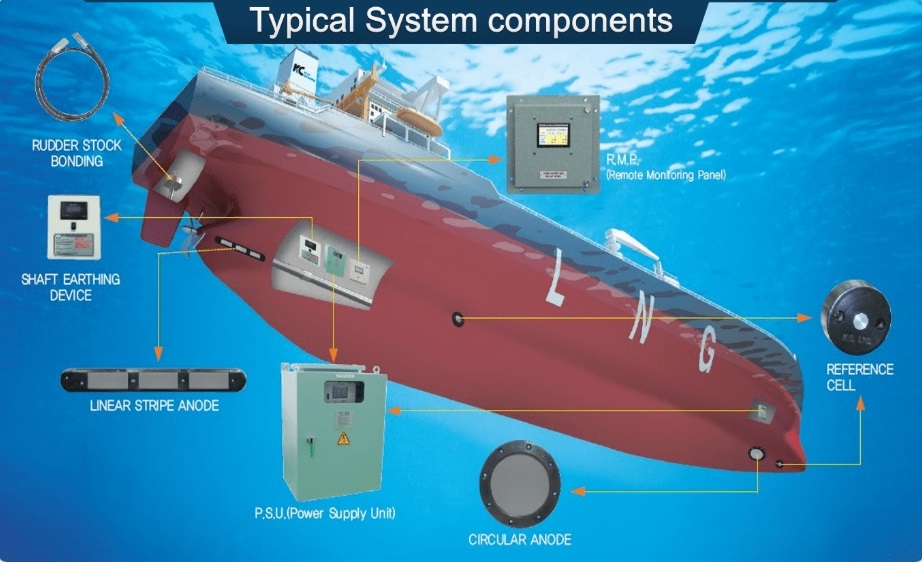
Typical System Components
ICCP system
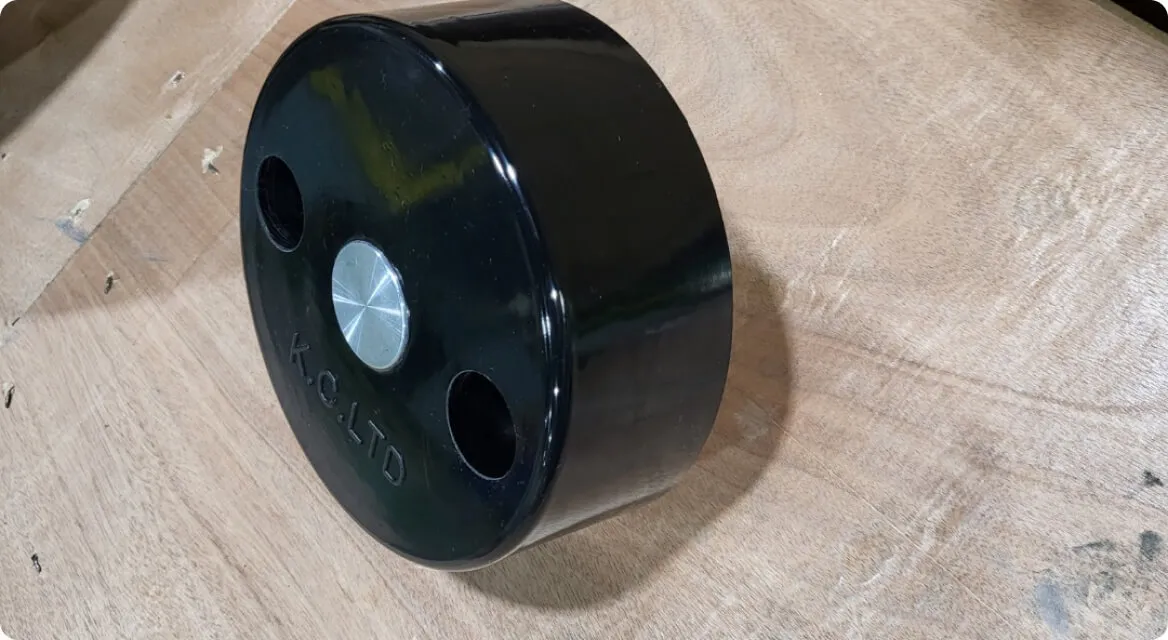
Reference Cell / Electrode
ICCP systems are controlled to assure optimum protection. This control is obtained by inserting a third electrode between the anode and the cathode. The third cell/electrode is insulated and does not receive any anode current. This cell/electrode is freely corroding and it becomes the starting point — or reference — in eliminating corrosion. Cell/Electrodes constructed of Zinc are used exclusively with the ICCP system.
ICCP system
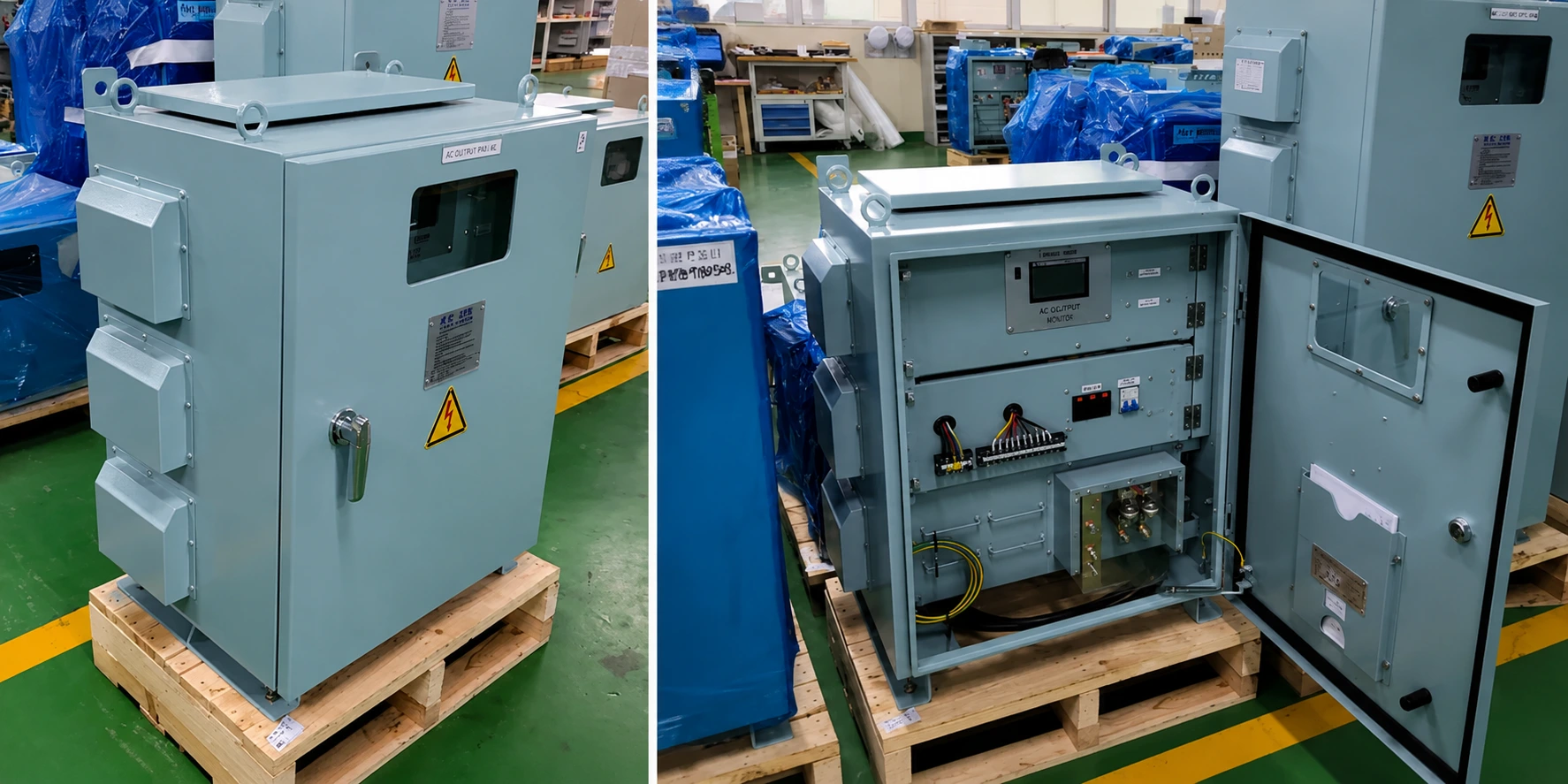
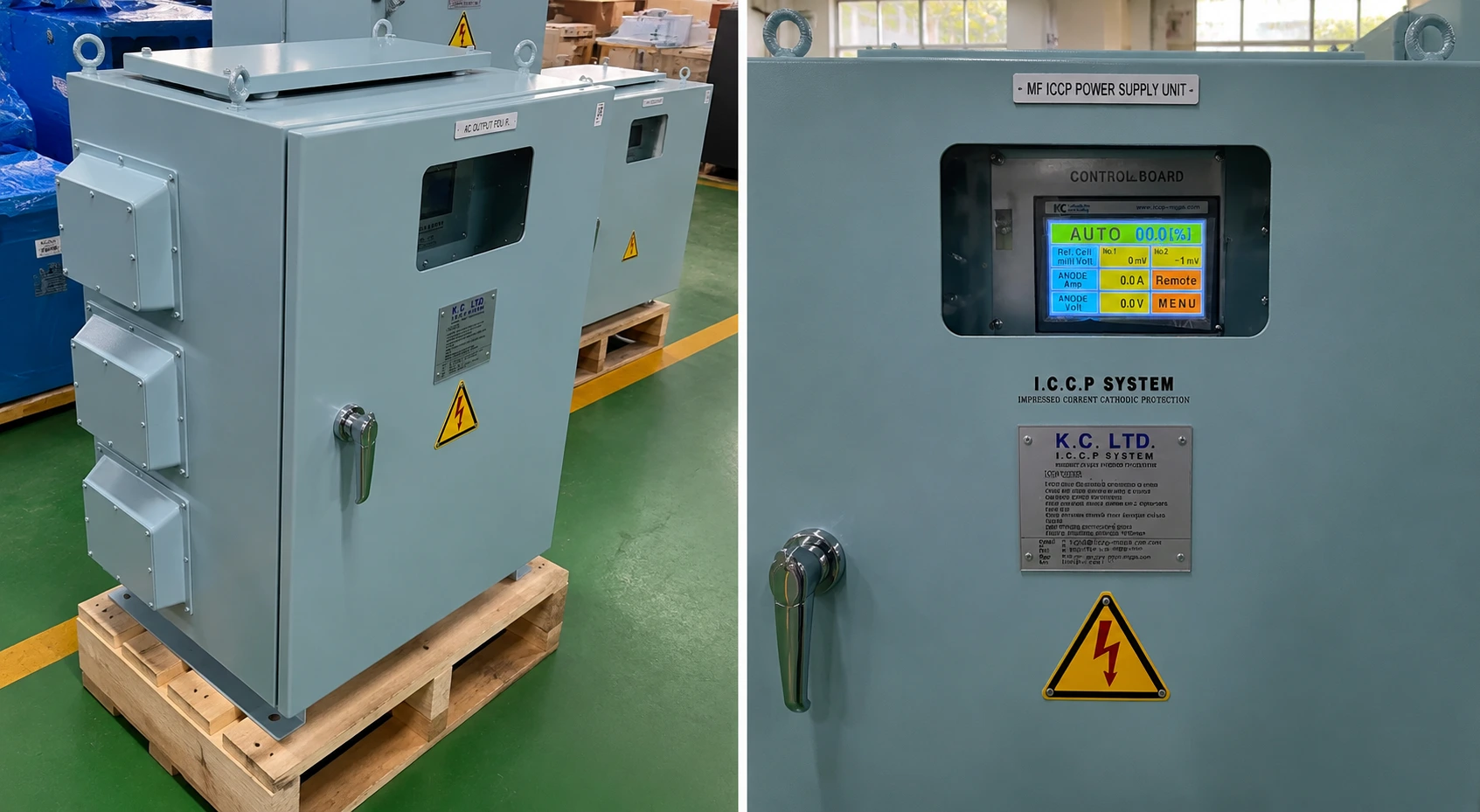
Power Supply Unit / Control Panel
Every standard ICCP system is equipped with a solid-state controller that continuously monitors and regulates corrosion protection using a Zinc Reference Electrode. It automatically adjusts the anode current to maintain the required protection level for reliable, long-term performance.
The system includes built-in high and low potential alarms to enhance operational safety. Optional digital control is also available, providing advanced monitoring, improved efficiency, and precise system management.
- Auto/Manual Mode
- USB Data Download
- 20+ Year Service Life
Controller Features:
- 4.3" TFT Touch Screen LCD
- Ship's AMS Integration
- New Build & Retrofit
ICCP system
Mixed Metal Oxide Anodes
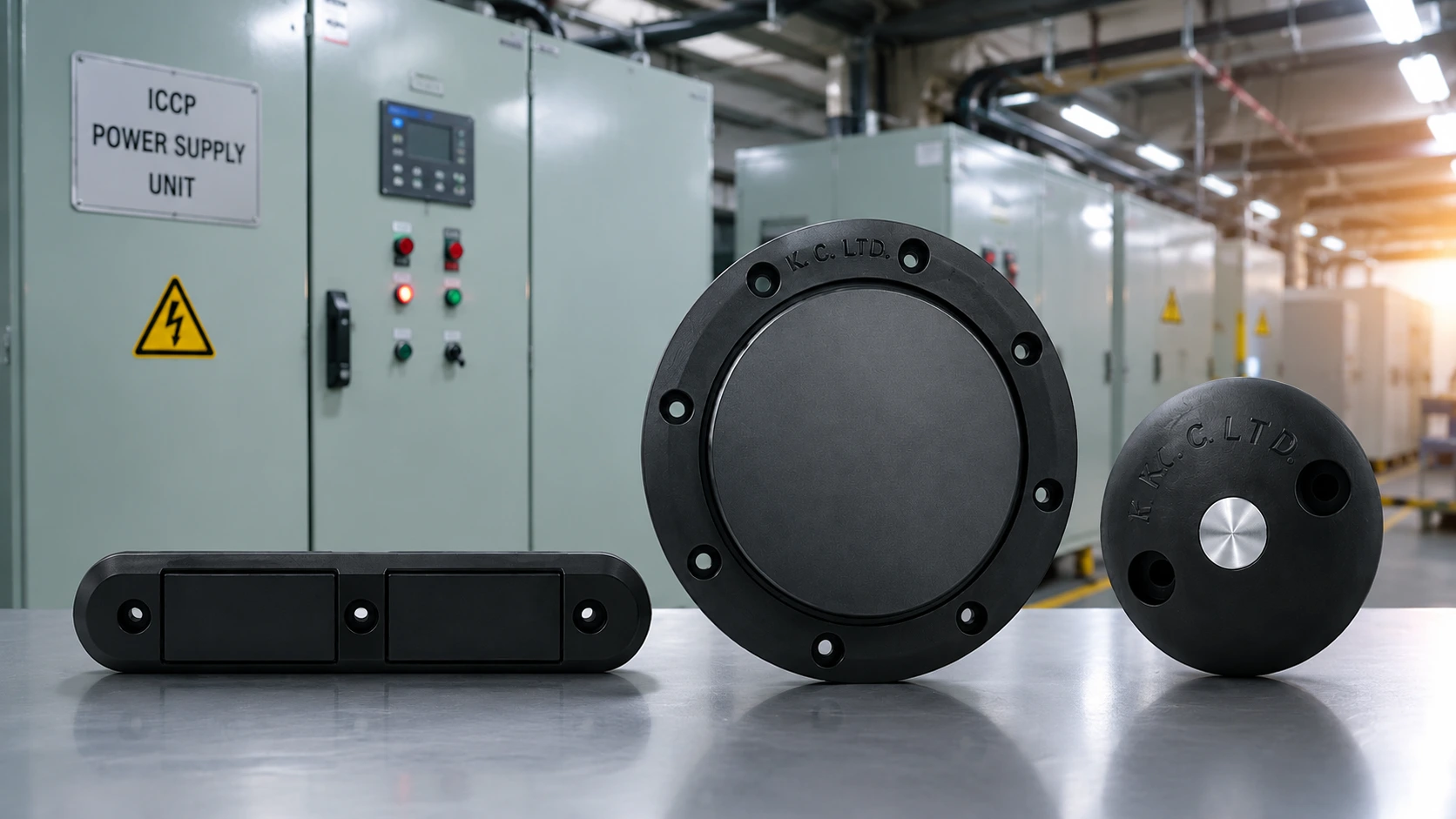
Mixed Metal Oxide anodes of are used exclusively for ICCP systems. ICCP anodes are manufactured in Linear Loop, Elliptical and Circular designs with insulating holders. They are available in a single unit capacity of 75 to 225 amperes, as required for various installations.
- MMO-Ti Disk Anode
- MMO-Ti Linear Strip Anode
- 75-225 Amperes
Key Features:
Advanced Marine Anti-Fouling Solutions
Corrosion Protection
Extends hull coating life by up to 200% using precise current control and continuous system monitoring.
Low Maintenance Cost
Reduces dry-dock frequency and coating repairs, helping save up to $500K per vessel annually.
Real-Time Monitoring
Continuous potential monitoring with advanced control systems ensures reliable 24/7 corrosion protection.
Customizable Solutions
Designed for vessels from 50m to 400m+, with automatic current adjustment for optimal performance.
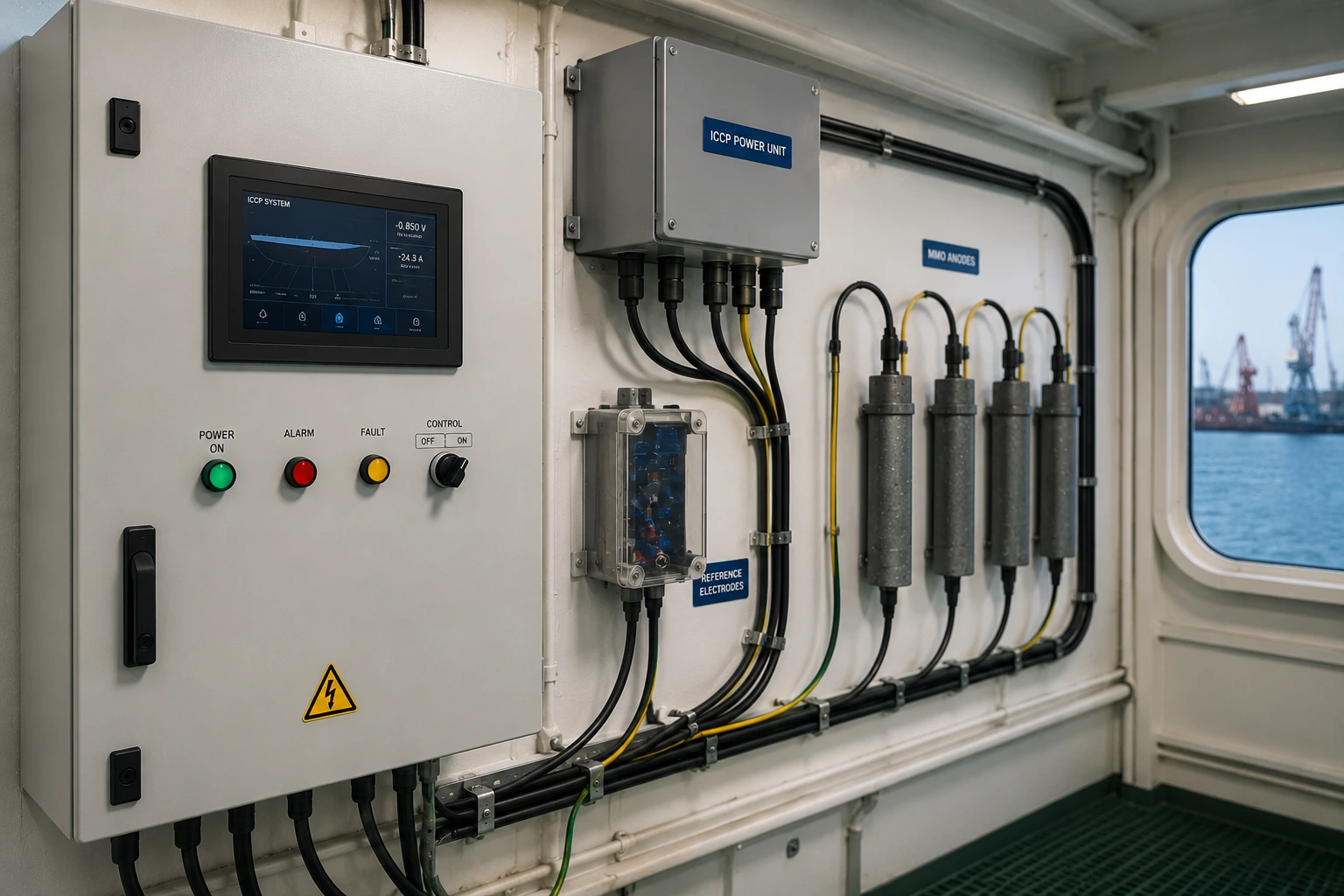
Reference Electrodes
Strategically positioned reference electrodes continuously monitor the hull's electrical potential, providing accurate real-time measurements.
Control Panel
An advanced microprocessor automatically regulates current output to maintain optimal protection levels at all times.
Anodes Discharge
Current is discharged through hull-mounted anodes, forming a controlled electrochemical barrier that protects against corrosion.
Century 365
How Our ICCP Systems Work
Explore the key stages of the ICCP corrosion protection process.
FAQs
1. What is ICCP and how does it protect vessels from marine corrosion?
ICCP (Impressed Current Cathodic Protection) is an active corrosion control system that applies a controlled electrical current to the vessel's hull. This creates a protective electrochemical layer that minimizes oxidation and corrosion of the steel structure. Unlike passive protection methods, ICCP continuously adjusts the current output to suit changing seawater conditions, providing reliable and consistent corrosion protection.
2. How can ICCP systems help reduce operating costs?
ICCP systems can significantly lower long-term operating expenses by reducing coating maintenance, extending dry-dock intervals, improving fuel efficiency through a cleaner hull, and minimizing the need for sacrificial anode replacement. Depending on vessel type and operating conditions, these combined benefits can deliver substantial cost savings over the vessel's service life.
3. Do ICCP systems comply with international marine standards?
Yes. ICCP systems are available with certifications from major classification societies such as DNV, ABS, Lloyd's Register, Bureau Veritas, and ClassNK. They are designed to comply with IMO regulations, SOLAS requirements, and other applicable international marine and environmental standards.
4. How long does ICCP installation take, and what maintenance is required?
A standard ICCP installation is typically completed during a scheduled dry-dock period, with installation time depending on the vessel's size and configuration. Routine maintenance includes periodic inspection of reference electrodes and anodes, along with regular control panel calibration. Remote monitoring capabilities also help identify potential issues early, ensuring dependable system performance with minimal downtime.
- Commercial Cargo Ships & Tankers
- Naval & Military Vessels Protection
- Offshore Oil & Gas Platforms
- Cruise Ships & Passenger Ferries
- Container Ships & Bulk Carriers
- Superyachts & Luxury Vessels
Century 365
ICCP Applications & Vessel Types
Century 365
Meet Our partners
Meet our valued partners who contribute to our commitment to quality and professional service.
Associate reginal partner
Cathodic Marine Engineering Co is the associate partner company for Century in the Southeast Asia. Providing excellent Cathodic engineering services to the Marine industries in this region.
Their commitment to quality, innovation, and industry standards strengthens Century’s ability to deliver trusted engineering services across Southeast Asia.